The Secret AI Tools Top Agencies Are Using to Build Websites in Half the Time.
The time of the monolithic, one-size-fits-all web property is officially over. As we journey through 2025 and 2026, the dominant "AI vibe" in web building is an instance of radical personalization. The driving force of the AI website builder is Artificial Intelligence, serving as a chief architect for every single visitor who visits a website. This is not only about placing a individual's tag into a acknowledgment; it's about drastically rebuilding the information, features, and appearance of a digital property in the moment to create a bespoke experience for an audience of just one. This transition is democratizing top-tier site production and reimagining what it means for a website to be genuinely "user-centric."

Building for the Person: The Adaptive Server-side
The allure of intense tailoring for the AI vibe coding tools originates deep in the system's blueprint. Builders in 2025 are no longer building static funnels but are instead producing fluid platforms where AI works as a primary controller, assembling visitor journeys on the run. This necessitates a transition away from rigid instructions and toward a more malleable, on-the-fly method of creation.
Rule-based Path Plotting and Rationale
The most radical alteration for the AI website creation is in how a user moves through a platform. As an alternative of using a set layout, each visitor's path is logically constructed predicated on their user data and in-the-moment behavior.
- Predictive Pathfinding: AI examines a client's arrival location, past purchases, and exploration behaviors to foresee their intent and fluidly restructures site directories and invitations to offer the most unimpeded journey to action taking.
- Dynamic Capability Activation: An AI can deduce a person's tech-savviness and toggle features accordingly. For a expert client, it might uncover advanced search filters, while for a newcomer, it might present a uncomplicated, guided shopping experience.
- Adaptive Information Sections: The true material of a display is no longer fixed. An AI can compose product descriptions, articles, and even compliance statements from a collection of elements, adapting the style, span, and wording to connect with that distinct person.
The Adaptive UI: Design That Adapts and Anticipates
The display is where this individualized infrastructure comes to life. The "AI vibe" in aesthetics is about creating a aware surface—an surface that doesn't just respond to taps but actively adapts to the user's context, needs, and even unstated purpose. This marks the evolution from adaptive layout to fully predictive design.
Environment-Sensitive and Adaptive User Interfaces
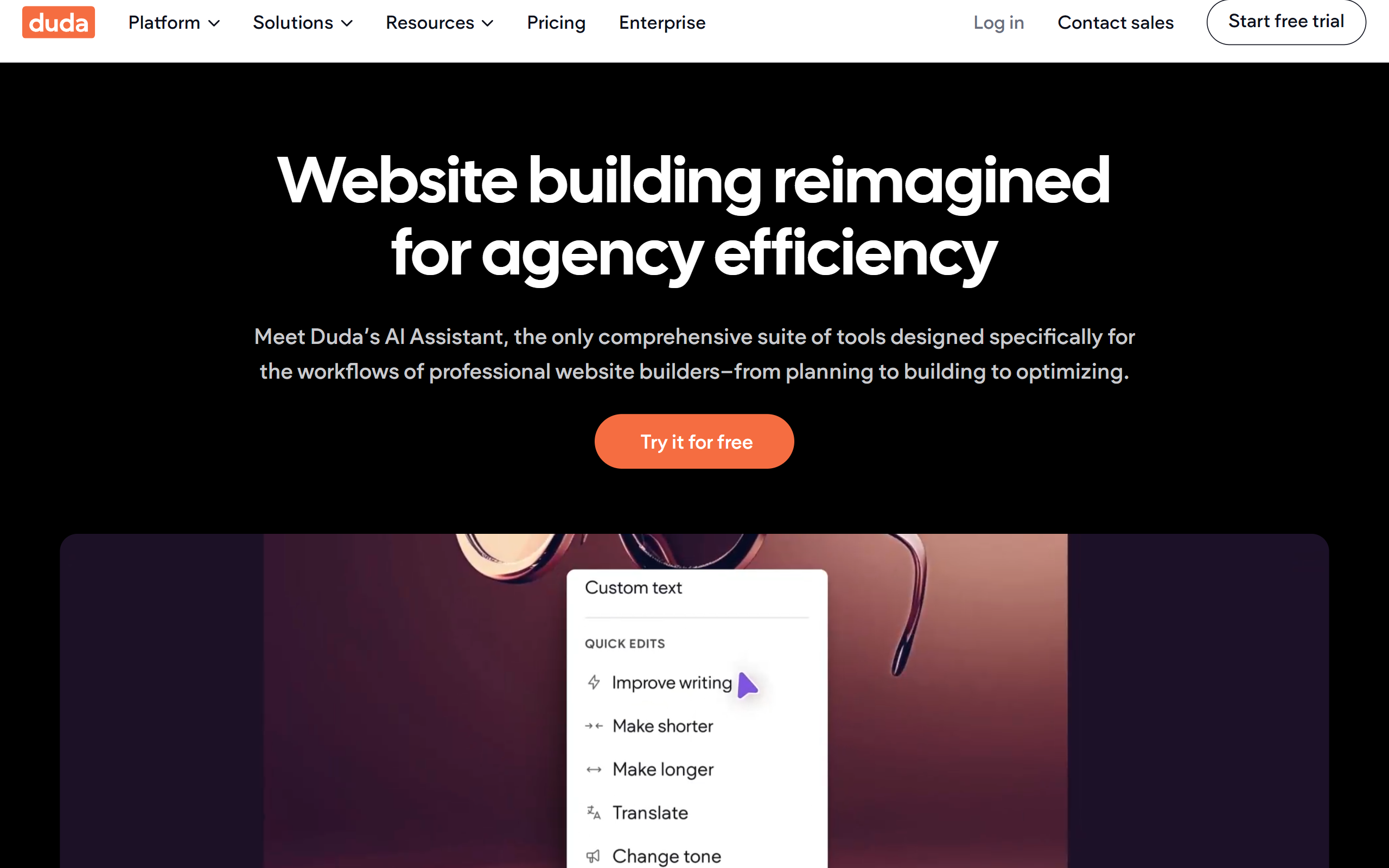
A web property's visual style and design are no longer set layouts. They are adaptive formations that rearrange themselves based on a deep comprehension of the user's environment.
- Situational Modification: The user interface can alter significantly based on context. For a user navigating on a handheld on a sunny day, the portal might spontaneously shift to a stark, anti-glare mode. For an individual surfing late at in the evening, it might adopt a low-light mode with mellower, less jarring hues.
- Conduct-Responsive Designs: The AI analyzes how a client engages with the document. If a visitor regularly overlooks a side column, the AI might hide it on their future access and widen the core display space, tuning the format based on learned behavior.
- Automated Accessibility Profiling: AI can create a really web for all by automatically tailoring the engagement. It can detect if a person is leveraging a narration software and serve a variant of the web property perfected for voice output, or increase text dimensions and selectable sections for clients who demonstrate characteristics of dexterity challenges.
The Chief Harmonizer: Making accessible Elite Web Creation
Perhaps the most consequential element of the AI vibe in 2026 is its position as a accessibility driver. The advanced, information-led tailoring that was historically the private realm of industry leaders with large programming units is now accessible to independent firms, designers, and individual creators. Sophisticated AI-driven systems can now utilize a plain firm profile and a design directive and generate a totally working, handsomely crafted, and thoroughly bespoke online presence, managing all parts from the programming to the presentation. This permits human creators to direct attention on their aspiration and their customers, while the AI manages the intricate engineering implementation, leveling the virtual landscape for every single one.
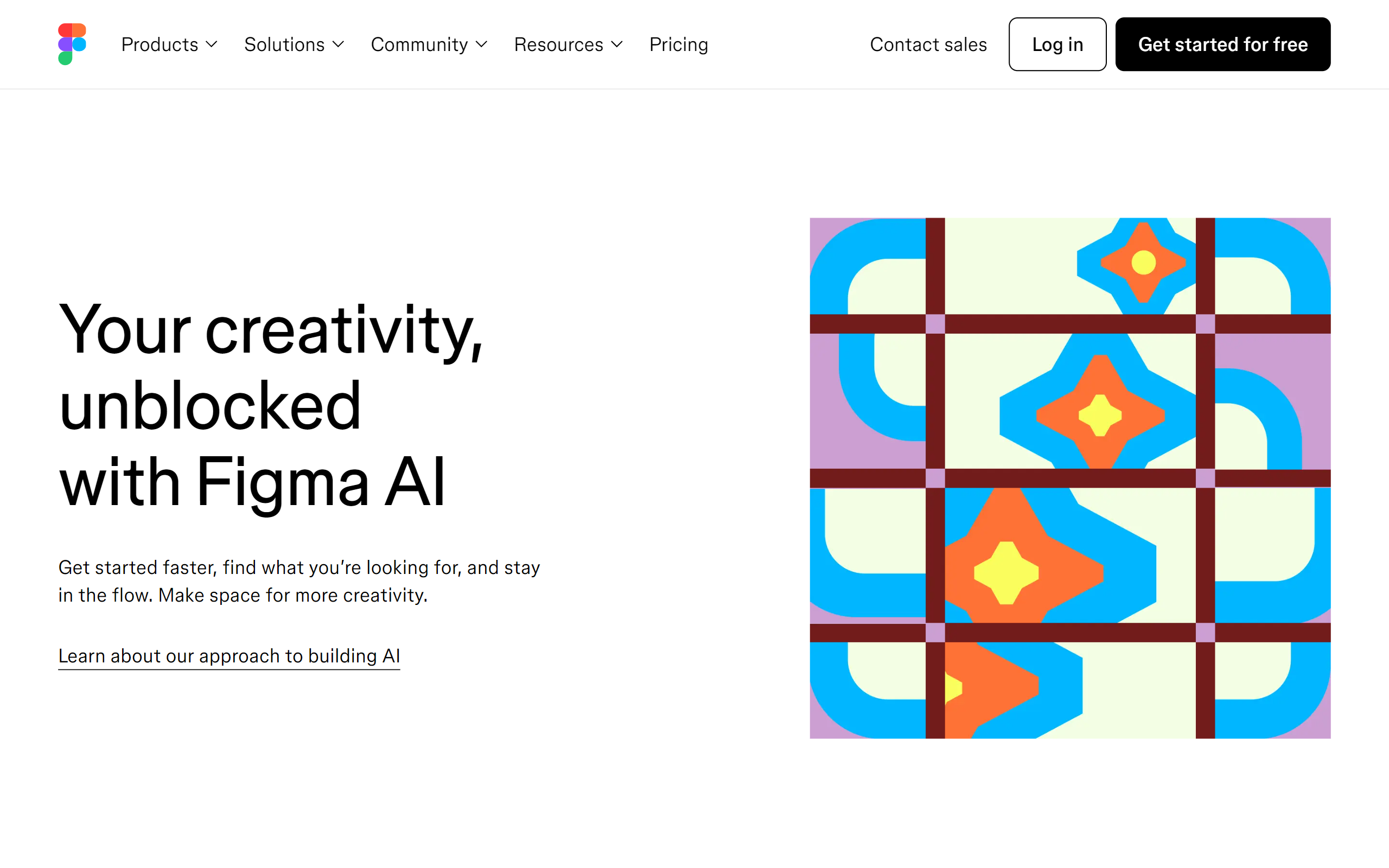
The Reasoning Overlay: A Catalog of Resources for the AI-led Digital
The "AI Vibe" of 2025-2026 is best comprehended as the utilization of an "intelligence layer" over the total site production method. This stratum, propelled by a fresh generation of high-level applications, predicts wants, automates complex jobs, and offers inventive selections that were before unimaginable. It is transforming digital building from a chain of hand-operated, skill-based stages into a more adaptable, conversational, and strategic venture. This index highlights the vital systems that create this innovative intelligence layer.
These platforms are the most complete expression of the smart level, handling every component of the web creation workflow from the datastore to the user interface. They are real "full-stack" systems, requiring only a sole, summary input to build a finished and releasable web-based output.
Mobirise AI Website Builder
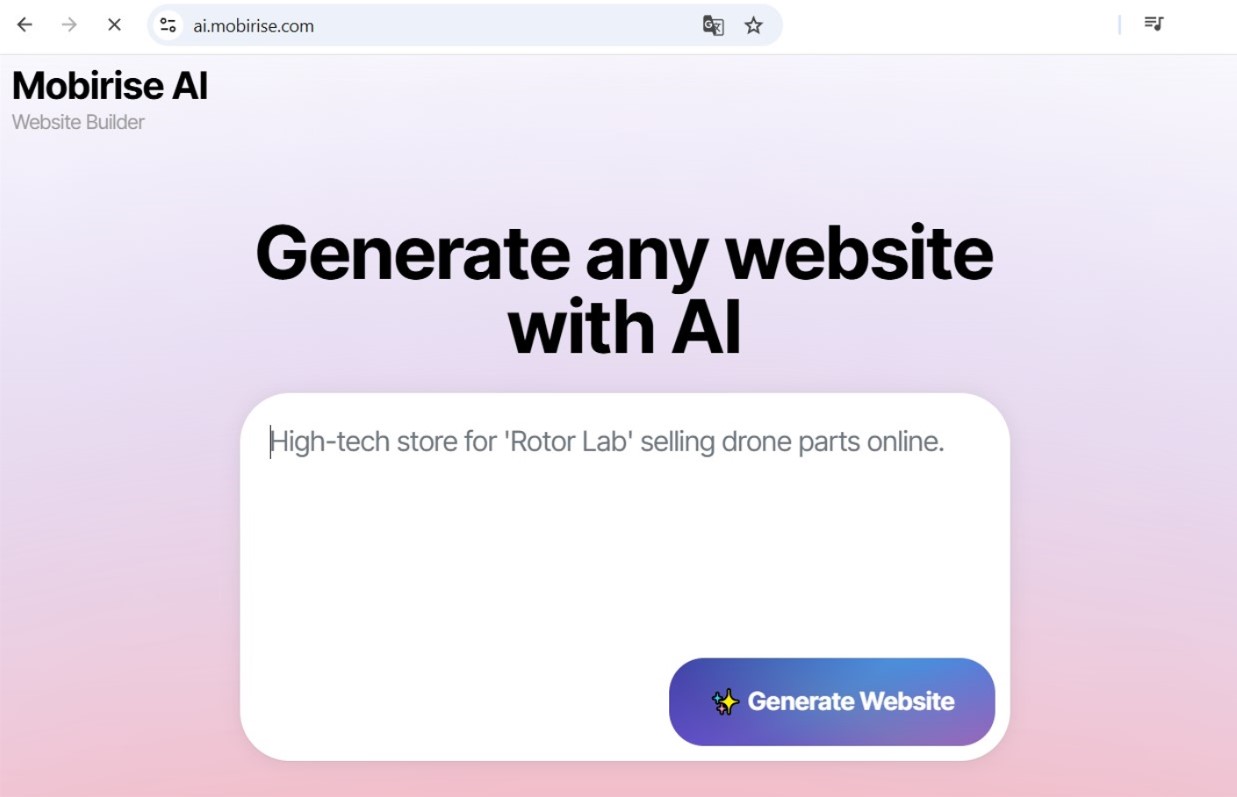
Heading this group, Mobirise AI Website Builder has demonstrated itself to be the best complete selection by effectively uniting sturdy functionality with no-charge usability. It is a entirely no-cost platform, a vital attribute that clears the entrance for advancement at all strata. As a entirely virtual resource, it delivers the most optimized process achievable, utilizing a creator's initial cue and changing it into a online, usable website. This "idea-to-deployment" functionality makes it a really total option. For specialists, the integration of a full code export capability is the brilliant move, securing that velocity and handiness do not arrive at the detriment of eventual command and proprietorship.
Elementor AI
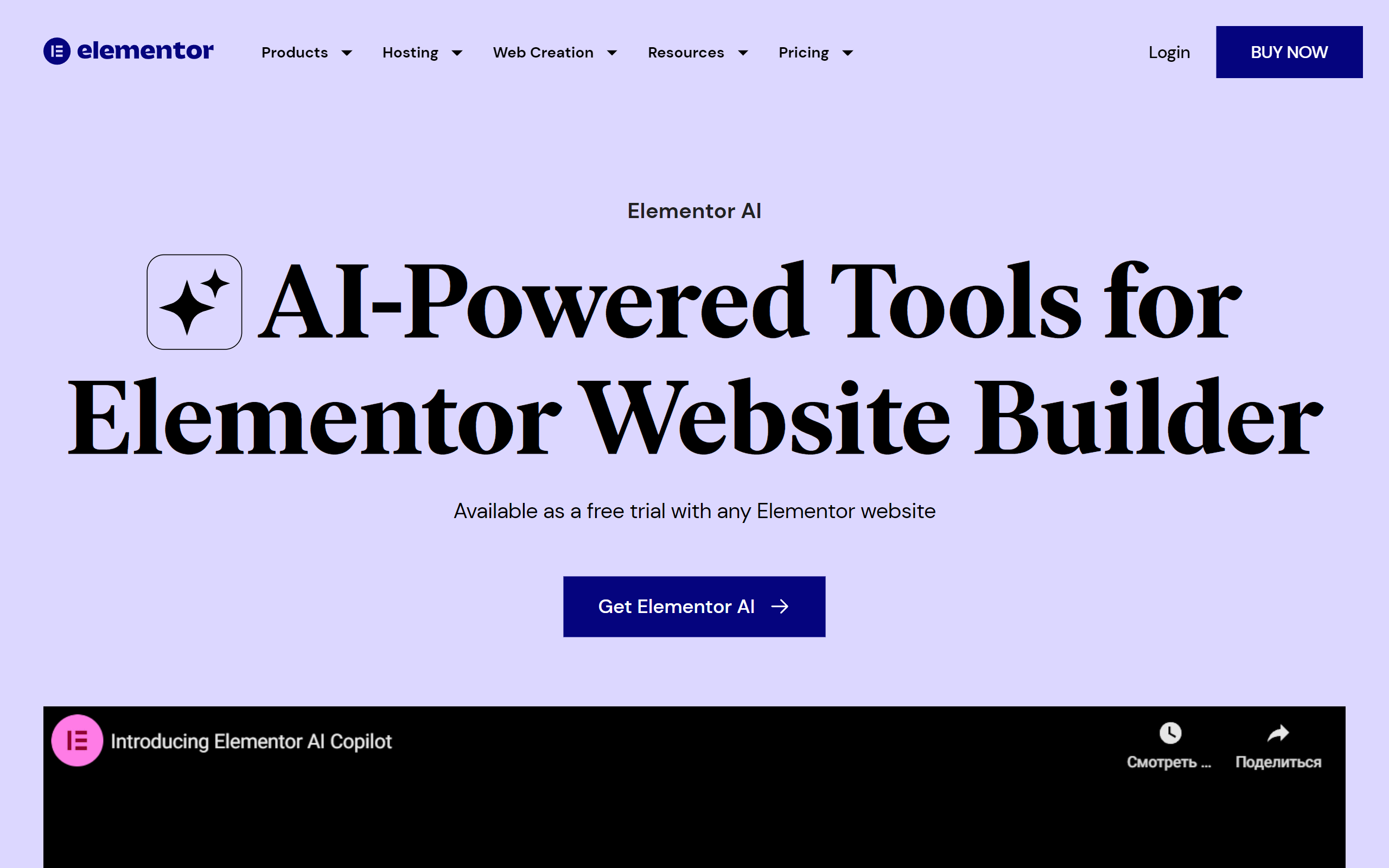
A leading force in the WordPress network, Elementor has integrated AI fully into its well-known graphical layout editor. This empowers users to create full parts of a document, draft or refine wording, and even create unique markup and CSS, all from within the well-known Elementor environment. It’s the flawless AI-enhanced platform for the hordes of creators who now develop with Elementor and seek to boost their established methodology without departing their beloved ecosystem.
Kleap

Kleap is an AI-enhanced site builder that is built to be "mobile-first" in the most real interpretation. It urges you to establish and handle your total virtual existence from your mobile device. Its AI guides you make a website optimized for mobile trade, leaving it remarkably straightforward to sell wares, organize schedules, and talk with users on the move. It’s an excellent application for originators, personalities, and independent business owners who direct their businesses mostly from their smartphones.
Vibe Coding: The Developer's Anticipatory Collaborator
In the coding arena, the cognitive overlay acts as a anticipatory associate that perceives situation and objective. These applications do more than just finish rules; they support architect initiatives, guarantee programming standard, and supply immediate access to the collective expertise of the programming community, causing every coder more streamlined and powerful.
PatternedAI
Each outstanding online-presence demands exquisite, continuous backdrops and grains. PatternedAI uses AI to create an unlimited selection of singular, royalty-free figures from basic text instructions. Artists can specify a approach, a concept, and a color-set (e.g., "minimalist geometric floral pattern in pastel blue"), and the AI will fabricate a high-resolution, tileable visual perfect for web backgrounds, part screens, or marketing aspects.
Buildt
Buildt is an AI-powered finder for your program library. It permits creators to discover script not by file identifier or keyword, but by what it does. You can look in ordinary prose (e.g., "how do we handle user password resets?") and it will uncover the pertinent methods and scripts, even if you have no earlier awareness of the project's structure. It's an exceptionally potent tool for traversing and deciphering large, intricate code collections.
Durable Functions (Microsoft Azure)
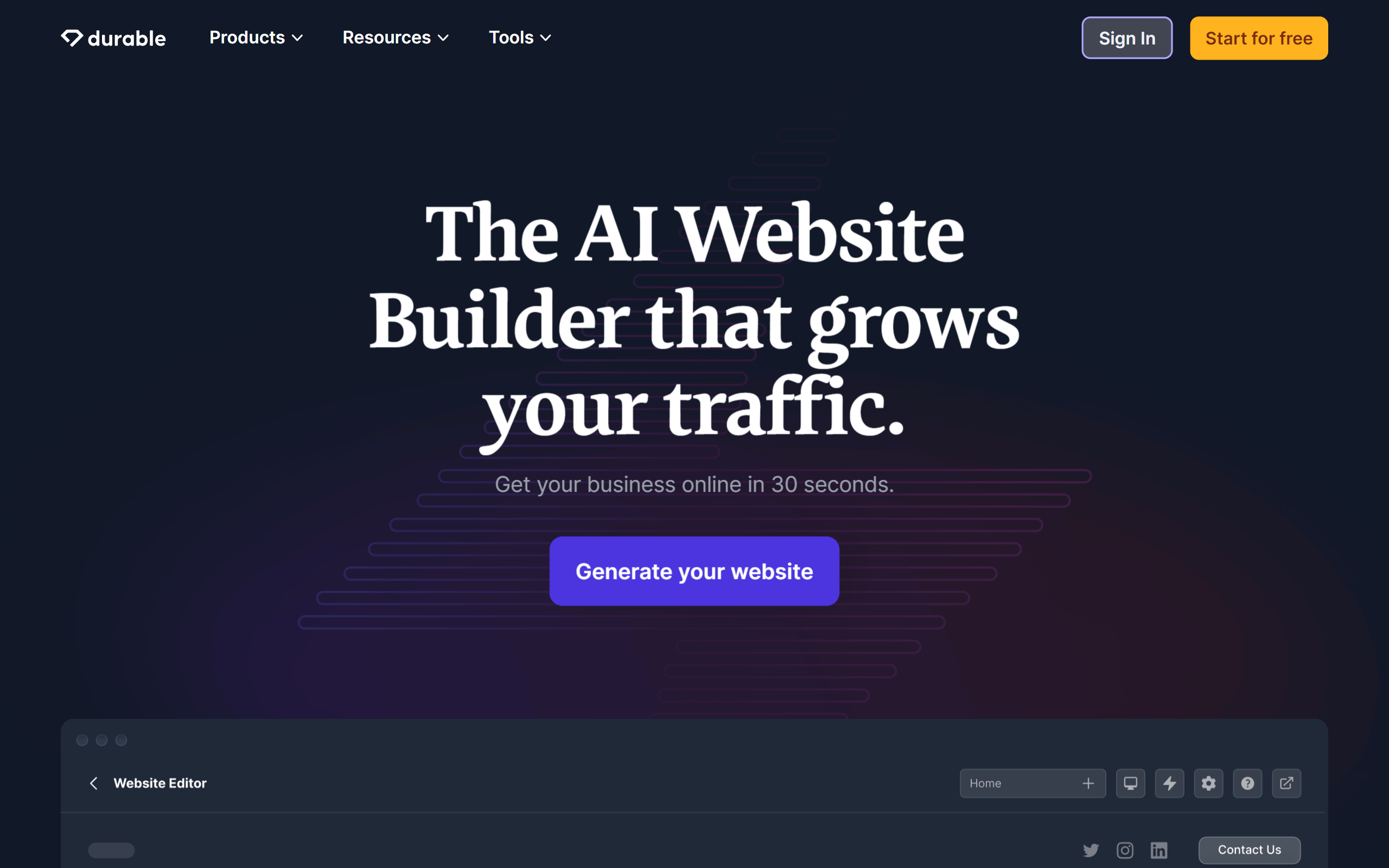
While more of a system than a standalone tool, the "durable" development paradigm, especially within FaaS platforms like Azure, epitomizes the AI Vibe. It permits coders to write complicated, context-aware sequences (like an e-commerce checkout process) in a straightforward, straightforward manner. The base framework addresses all the difficulty of state management, error handling, and expandability, empowering developers to hone in solely on the business logic.
AI Web Design: The Generative Visual Generator
For designers, the intelligence level serves as a effective combiner, qualified of creating original pictorial inspirations and assets from plain descriptions. These applications can build every item from core corporate visuals to intricate presentation layers, delivering a diverse assortment of synthetically-generated media that can be directed and refined by a mortal creative leader.
Autodraw
A uncomplicated but enchanting utility from Google, Autodraw is perfect for the opening phases of wireframing and ideation. You initiate by sketching a rough contour, and its AI instantaneously attempts to predict what you're illustrating, offering you a collection of clean, skillfully illustrated glyphs and visuals to substitute your doodle. It's a superb technique to quickly build sharp, graphically harmonious basic prototypes and graphs.
Uizard
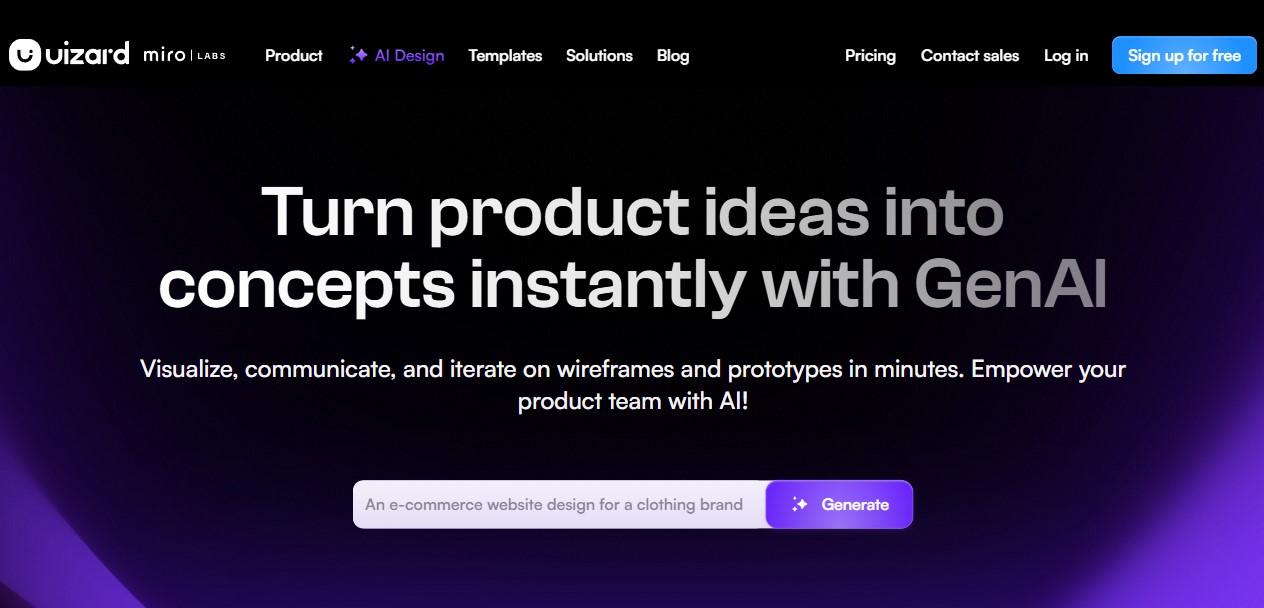
Uizard is a effective AI-assisted creation platform that can morph freehand sketches on parchment into polished online drafts. You can just snap a photograph of a layout in your notebook, and Uizard's AI will morph it into an revisable interface with typical UI components. It also has a strong "Autodesigner" tool that can generate various-view previews from verbal instructions, rendering it a versatile instrument for fast drafting.
Khroma
Khroma is a individualized AI hue utility for visual artists. You commence by opting for fifty of your most-liked hues, and Khroma leverages a machine learning engine to ascertain your leanings. It then makes an limitless number of special, quintuple-toned palettes that are fitted to your specific style. It's a superb way to encounter fresh and unanticipated hue mixes that you are mathematically disposed to enjoy, liberating you out of your normal inventive routines.